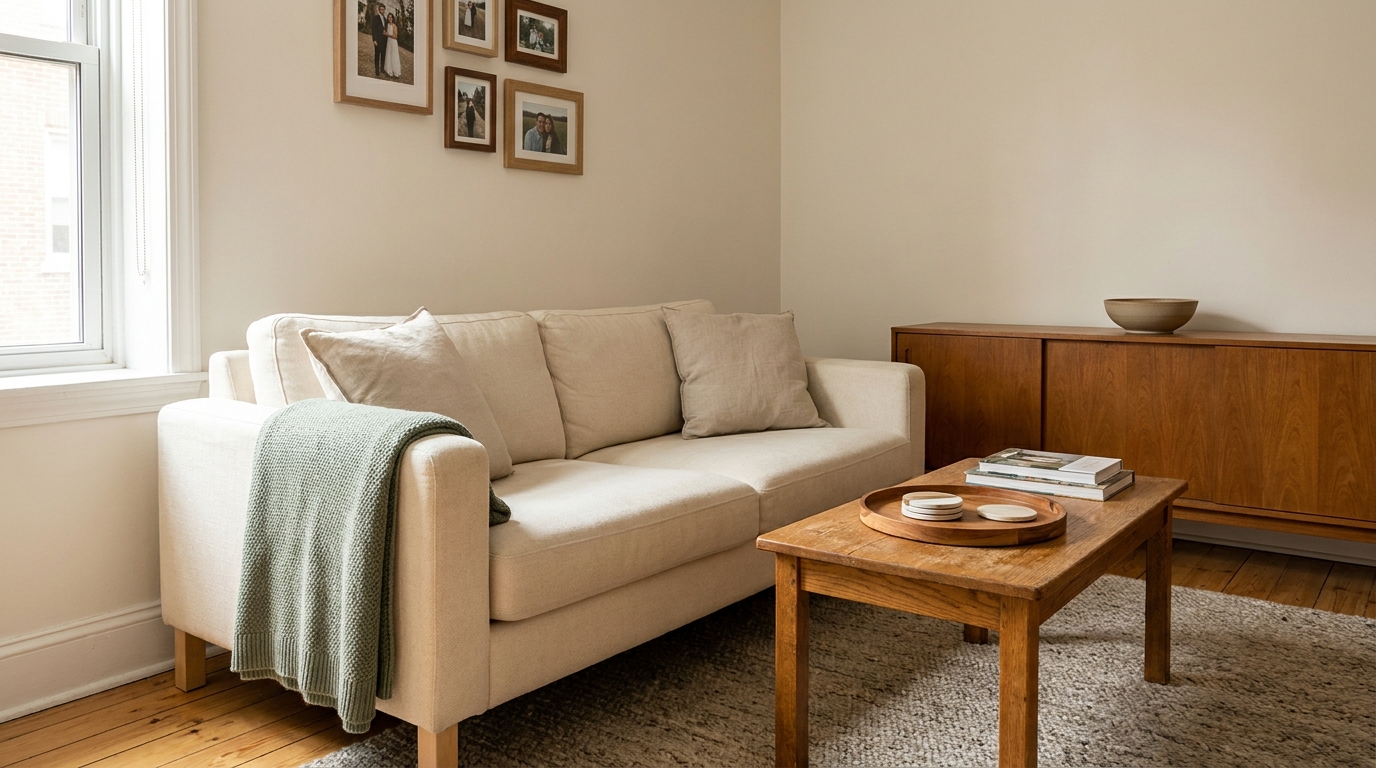
12 Easy Ways to Refresh Your Home With What You Already Own
Sometimes a room needs a different arrangement, not another purchase. A throw has disappeared beneath a pile of cushions, a favorite bowl is hidden in a cupboard, and the side table that would solve an awkward corner is sitting unused elsewhere.
To refresh your home with what you already own, start by looking at those familiar things as options rather than fixed parts of the room. You might uncover a useful pairing, make a surface easier to use, or bring back something you enjoy seeing.
These 12 ideas are small decorating experiments. None requires buying paint, replacing furniture, or collecting a new set of matching accessories. Try one change at a time so you can tell whether it actually improves the room.
Before You Begin: Choose One View to Change
Stand in the doorway of the room you want to refresh and take a quick photograph. What catches your attention first? Is it something you like, or a crowded surface, an awkward furniture position, or a blanket that never stays put?
Choose one area rather than emptying the whole house. Gather a few possible pieces from your own shelves and cupboards, but leave useful items where they are needed. Borrowing a lamp is not a successful refresh if it leaves someone else without a reading light.
1. Clear One Surface and Rebuild It Slowly
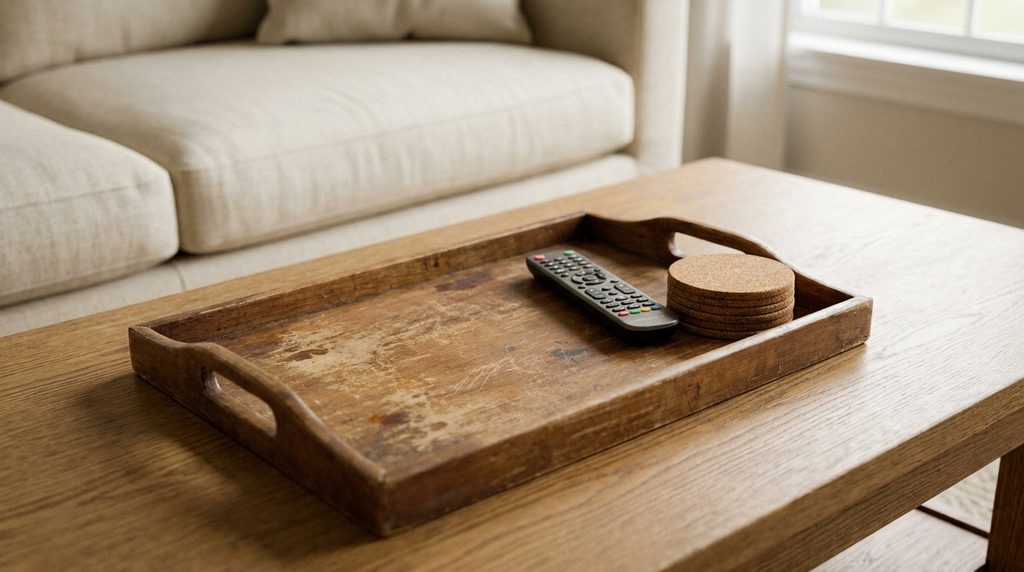
Choose one surface you use every day, such as a coffee table. Take a reference photo from your usual seat, remove the objects temporarily, and clean the surface in a way suited to its finish. Decide which everyday job needs room before returning decorations.
Here is an illustrative no-buy reset, rather than a photographed makeover or a tested result:
| Object already on the table | Trial arrangement | Reason to keep or change it |
|---|---|---|
| Remote and coasters | Keep together near the seat | You can reach them without moving decorations. |
| Three decorative books | Try one; put the others back on a bookshelf | Return more only if you use or enjoy them here. |
| Large vase | Try it on another stable surface | Check the view from the seat and leave room for drinks. |
| Mail and receipts | Move to the place where you deal with them | Moving the pile only helps if that place is convenient. |
Use the table normally before deciding whether the change works. If the remote keeps landing outside the tray, the tray may be in the wrong position or too small. If you miss the books, bring one back. Compare with the reference photo, but judge the result by how the table works as well as how it looks.
Keep the remaining objects aside for now. A refresh does not require discarding them, buying matching replacements, or filling another surface just because it has space.
2. Give an Underused Side Table a Better Job
Look for small furniture that is doing very little. A side table holding an empty vase in the hallway might be more useful beside a chair, where it could hold a book and a drink.
Measure the new position before moving it. Check the height against the seat, whether the table is stable, and whether you can still walk past comfortably. Use furniture for purposes it can safely support; a decorative stool is not automatically a suitable step or seat.
For a compact sitting area, our small living room ideas can help you assess the layout before shifting larger pieces. A useful change in position often matters more than a different furniture style.
3. Rearrange Cushion Covers and Throws You Already Have
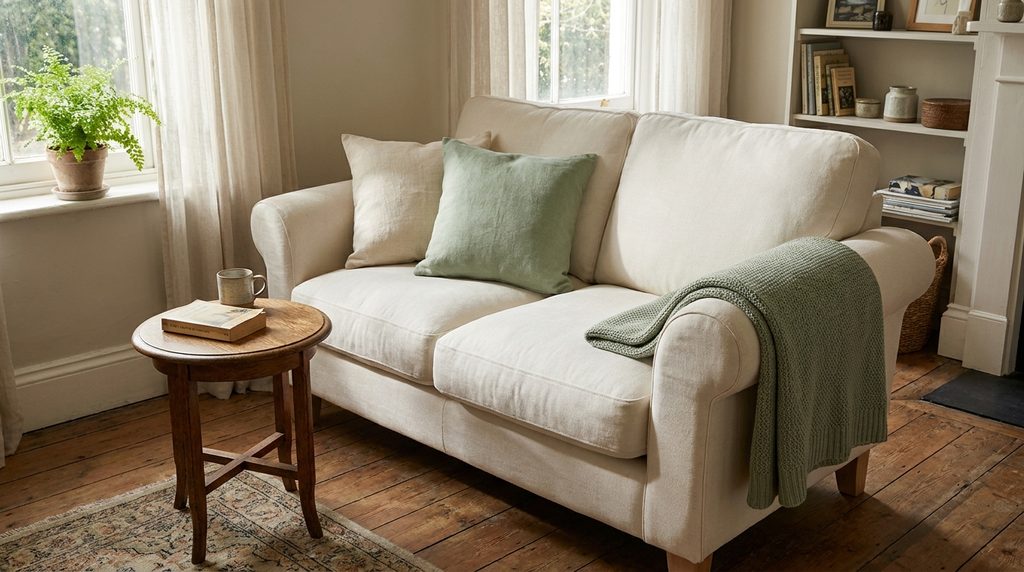
Bring together a few cushions or throws from storage and compare them with the colors already in the room. You might find that a plain bedroom throw works with the living-room rug, or that removing one busy cushion lets the others sit together more comfortably.
Use the pieces that suit the furniture and your routine. Fold a throw over one sofa arm if you reach for it regularly; avoid an elaborate drape that falls onto the floor whenever someone sits down.
If changing covers, check that they fit the inserts without excessive strain. You do not need to replace every textile at once. One familiar piece in a new position can be enough to make the seating area feel refreshed.
If you are unsure which covers work together, our guide to choosing throw pillow colors for a neutral sofa shows three palettes and ways to adjust them using the colors already in your room.
4. Rotate the Pictures in Existing Frames
Open your box of stored photographs, postcards, or small prints and choose something you would like to see again. If it fits a frame you already own, you can change the room’s focus without adding another object.
Use existing hanging positions where the replacement frame is compatible with the fixing and its load limit. For valuable or fragile paper, use suitable framing materials rather than improvised adhesives that could damage it.
If a picture remains in the same frame, the change can be as simple as swapping a photograph. Take a moment to look at it from your usual seat, not only while standing directly in front of the wall.
If you are changing the arrangement as well as the picture, follow our guide to arranging wall art above a sofa before choosing new hanging positions.
5. Style a Shelf Around One Personal Collection
Instead of spreading small objects evenly across every shelf, choose one collection with a connection: a few travel keepsakes, favorite ceramics, or framed family photographs. Put the pieces together and give them space to be noticed.
Keep useful books accessible and resist filling every gap. A short horizontal stack can support a light decorative item if it is stable, but avoid arrangements that require dismantling the display whenever you want a book.
Move surplus decorations into temporary storage and rotate them later. This lets the shelf change over time without turning each refresh into a shopping project. Keep heavy pieces low and respect the shelf’s load limits.
For arrangements that combine useful objects with personal pieces, learn how to style open shelves without clutter.
6. Bring a Serving Tray Into Everyday Use
A tray stored for occasional guests can help organize a coffee table or entry console. Use it to gather things that already belong together, such as a remote and coasters, or keys and a small catch-all dish.
Check whether the tray actually improves access. If its raised sides get in the way of picking up frequently used objects, try a flatter piece you already own or leave the items separate.
Protect delicate furniture from rough tray bases using an appropriate protective layer you have available. The tray should be easy to lift for cleaning, not a platform for so many objects that it becomes awkward to move.
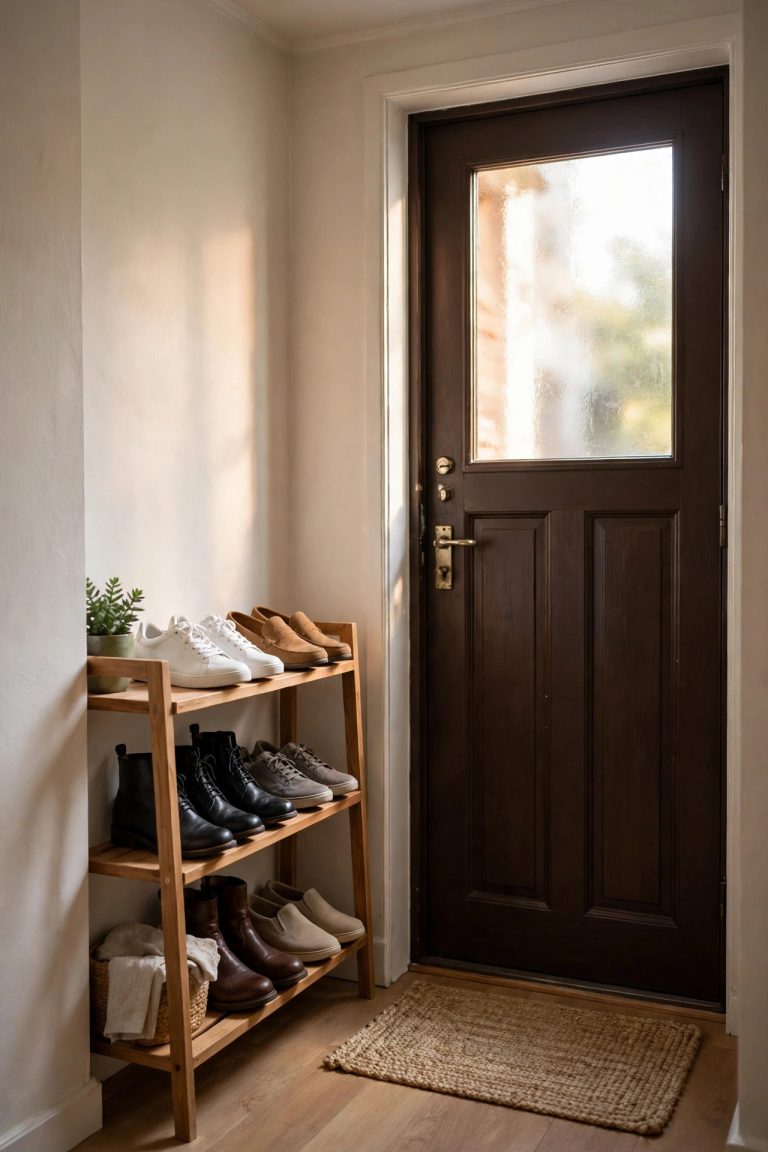
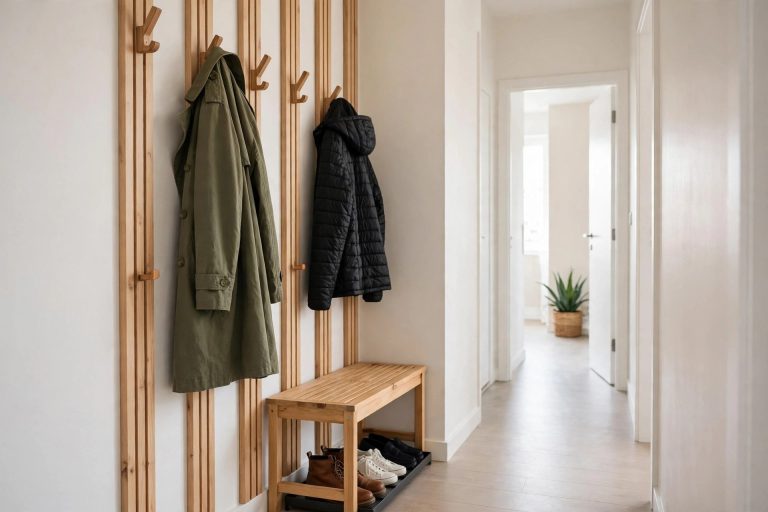
If your entrance has no room for a table, our guide to styling a small entryway without a console table shows how a shallow shelf, compact bench or existing cabinet can give everyday belongings a home.
7. Use a Bowl or Jug as a Decorative Accent
Look inside your cupboards for a piece whose shape or color you enjoy. A ceramic bowl could hold keys on a console, while an empty jug might make a simple shelf accent. It does not need to contain bought flowers to look intentional.
Choose a placement that suits the object’s size and weight. Keep fragile pieces away from edges, and avoid using cracked ceramics for tasks that involve liquid. If you use a vessel for flowers, check that it is watertight and protect the surface beneath it.
Leave frequently used serving pieces accessible. The point is to enjoy something underused, not make meal preparation inconvenient by moving essential dishes around the house.
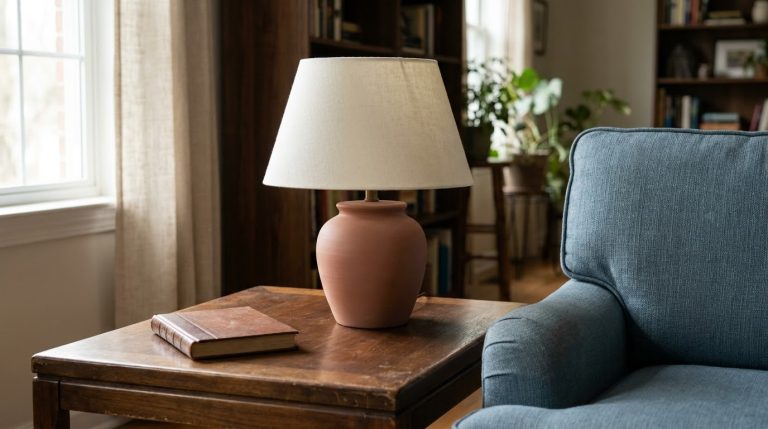
8. Swap the Position of Existing Lamps
If one corner feels dim while another has more light than you use, consider whether an existing lamp would work better in a different position. Try it in the evening, when the room’s lighting needs are easiest to judge.
Check that the base fits securely, the switch is accessible, and the cord can reach a suitable outlet without crossing a walkway. Keep shades clear of curtains and other nearby materials, following the lamp’s instructions. If the move would require an awkward electrical setup, choose another location.
This experiment is about the placement of a complete lamp, not changing wiring or improvising shades. A familiar light near the chair you actually use may make the room more comfortable immediately.
9. Simplify the Bed With Existing Bedding
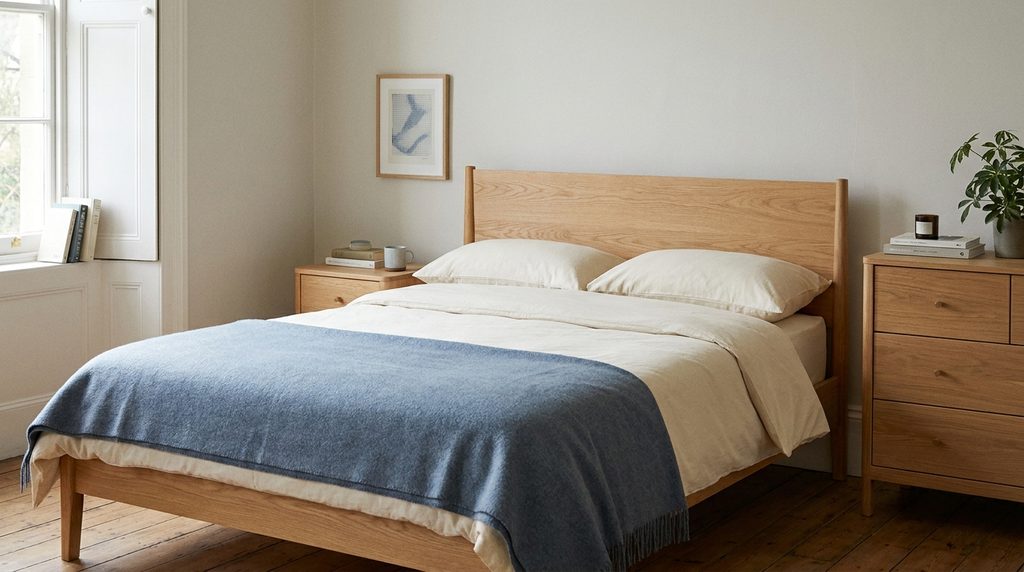
Make the bed with the bedding you use comfortably, then reconsider the decorative extras. A lighter-looking arrangement may need fewer cushions rather than a new duvet cover.
Try folding an existing blanket across the foot of the bed or switching to another cover you already own. Repeat a color from the curtains or artwork if you have a suitable option, but do not sacrifice comfort for a perfect match.
Give anything removed a proper storage spot. If the bedroom still feels awkward after the bedding change, our small bedroom ideas cover bed placement and everyday storage. Decorating details work better when the room is easy to use.
10. Make the Dining Table Ready for Ordinary Days
Remove items that have gradually settled on the dining table but belong elsewhere. Then try a simple arrangement with a cloth, runner, bowl, or placemats you already have.
Keep the center low and compact enough for conversation and meals. An empty bowl may be all you need; you do not have to assemble a full table setting that must be cleared before anyone can eat.
If papers tend to return immediately, give them an existing folder or designated drawer nearby. A decorative refresh will last longer when the practical reason for the clutter has been addressed. Leave the table easy to wipe and ready for its main job.
11. Reposition a Mirror to Improve the View
Before moving a mirror, look at what it currently reflects. You might prefer a view of artwork or a window to a crowded storage area. Test possible positions with help if the mirror is heavy, rather than carrying it around repeatedly.
Only relocate it where suitable existing supports or manufacturer-approved mounting are available. Do not leave a heavy mirror leaning unsecured just to try a decorative idea, especially where it could be knocked or reached by children.
If no suitable alternative exists, refresh the reflected area instead. Clearing a console opposite the mirror can change the view without moving the mirror at all.
12. Choose One Accent Color From Your Own Belongings
Look at the objects you have set aside during the refresh. Is there a color that appears in several pieces you like—a green cushion, a small print, and a glazed bowl, for example?
Bring a few of those pieces into the same room, placing them where they make sense. They do not need to be identical shades. Let the existing larger furniture remain the background rather than trying to coordinate every object.
Stop before the room starts to feel staged around the color. The useful part of this exercise is noticing connections between belongings you already enjoy, not creating a new list of things to buy.
Refresh Your Home With Changes That Make Everyday Life Easier
Return to the doorway and compare the room with your earlier photograph. Then sit down, use the table, open the drawers, and walk through the space. A good arrangement should work beyond the photograph.
To refresh your home with what you already own, you only need to keep the changes that earn their place. Put unsuccessful swaps back, store a few decorations for another season, and enjoy the familiar pieces you can now see and use more clearly.